You can find deep healing in the process of meth addiction rehab, not simply sobriety. Trying to quit meth on your own is a challenging process that’s likely to lead to relapse because you lack the tools to hold off for long. However, in drug addiction treatment, you will practice reflection and skills that help you sustain your sobriety for life. It’s time to consider your recovery options, and fortunately, they exist nearby in Washington state. Royal Life Centers at Puget Sound in Sumner provides the intensive, early care stages of detox and inpatient treatment. Here, you will find rest from the cycle of drug addiction by getting sober in our safe and peaceful facility.
What Is Meth Addiction?
Meth addiction refers to a physical and psychological dependency on the substance methamphetamine, shortened to meth. Meth is a psychostimulant drug that can be prescribed medically or illicitly manufactured and used. Notably, methamphetamine falls under the category of amphetamines, which are central nervous system (CNS) stimulants. Other amphetamines are prescribed for attention-deficit hyperactivity disorder (ADHD), and sleep disorders like narcolepsy. This is because of the way amphetamines stimulate the CNS to flood the system with positive chemical messengers. For example, they trigger the release of dopamine and norepinephrine, two “happy hormones” that produce pleasure. Other side effects of stimulants include energy, focus, motivation, and sociability.
People frequently abuse amphetamines like meth to enjoy a high. Additionally, prescription stimulants are often abused for an increase in focus and productivity. Students, businesspeople, athletes, and others all have reasons to take stimulant doses. As noted, amphetamines can help people with ADHD overcome symptoms for improved concentration, alertness, and energy. Yet, neurotypical individuals frequently abuse stimulants to help with studying and performance. Although this may seem harmless, any meth abuse can lead to meth dependency. Thus, meth addiction refers to both prescription methamphetamine and illicit meth abuse.
Why Is Meth Addictive?
Methamphetamine is highly addictive because of how it targets the central nervous system, composed of the brain and spine. When individuals abuse methamphetamine for personal reasons instead of medical dosage, they can flood their system with an excess of rewarding feelings. But when the high wears off, the person is left feeling normal again, or worse-off because they miss the euphoria. The immediate desire to return to the high is what leads to eventual addiction. The more a person misuses meth, the more they become tolerant, develop cravings, and soon become dependent.
What Are the Signs and Symptoms of Meth Addiction?
It’s important to get help for someone who is addicted to meth or other psychostimulants. You may be gathering information for someone you know or for yourself. It’s important to realize there’s no shame in seeking help when you’re up against a giant like drug addiction. In professional drug rehab at Royal Life Centers at Puget Sound, there’s no judgement about how you ended up addicted. Instead, our priority is helping you recover and move forward with your life.
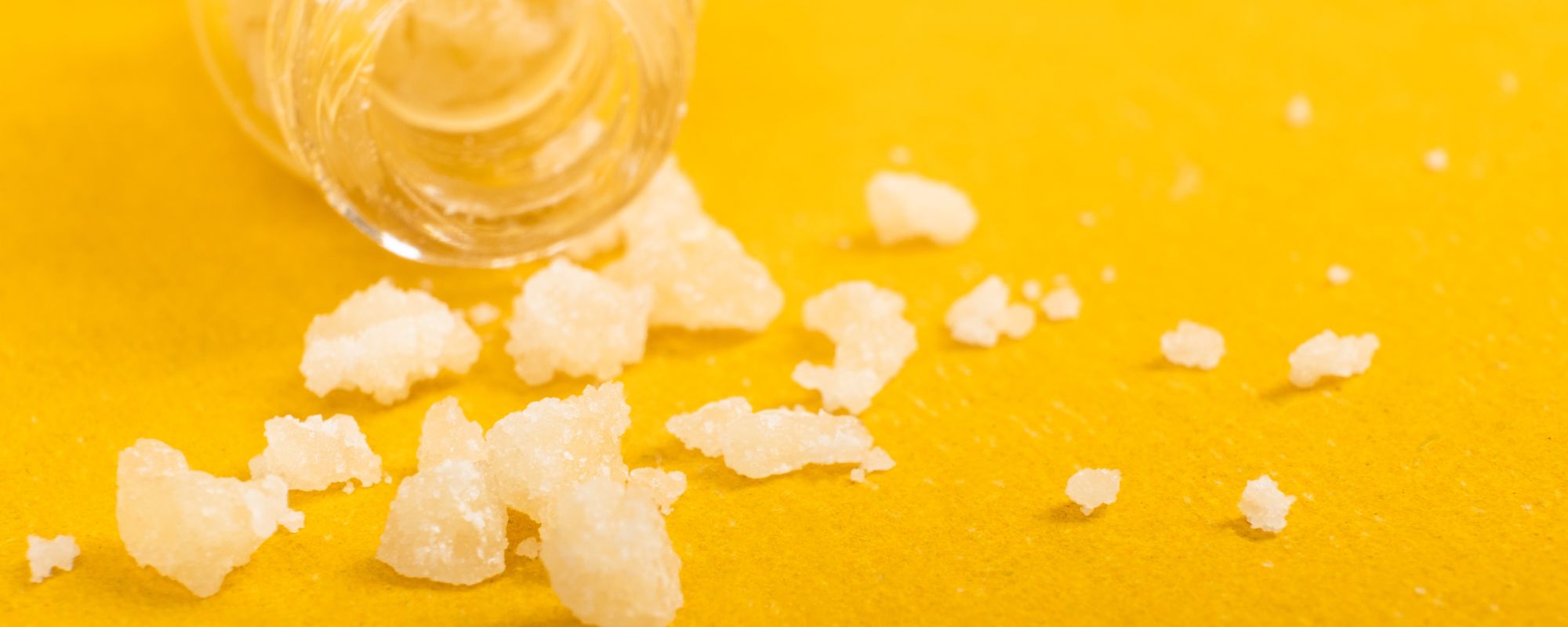
The first step of sobriety is first understanding you have a problem with meth usage. There a numerous ways people intake meth into their system. They can inject it, smoke it, or snort it. Additionally, they can source methamphetamine (typically a light powder) or crystal meth, a lab-manufactured version resembling crystal rocks. No matter what way you use meth, the symptoms of addiction tend to be the same. Any of these physical, behavioral, and psychological symptoms can indicate meth addiction:
- Exhaustion
- Headaches
- Tremors
- Pneumonia
- Confusion
- Irritability
- Mood swings
- Memory loss
- Muscle cramping
- Fast heart rate
- Trouble sleeping
- Loss of motivation
- Appetite changes
- Anxiety
- Paranoia
- Depression
- Thoughts of self-harm
- Seizures
- Dizziness
- Nausea
- Dry mouth
- Meth sores
Meth Addiction Statistics
As previously noted, meth addiction can be experienced by a wide range of people. Although drug abuse often carries stigma about which types of people become addicted, any person can develop an addiction if they aren’t careful. Using any illicit drugs can quickly lead to addiction, as you never realize what exactly you’re consuming. In the same way, misusing prescription medications can also lead to addiction, even if you’re only using them to improve your performance. Simply, drugs like meth have powerful, uncontrollable effects on your body and brain that you cannot always prevent or reverse.
An estimated 12 million American people who are 12 and above have tried meth, whether they’re daily users or not. Of these numbers, more than 32,500 people died from stimulant drug overdose, including meth-caused cases.
The Link Between Meth and Mental Health Disorders
Note the various mental health symptoms which can be indicators of meth addiction. Truly, worsening mental health is a dangerous side effect of drug addiction, including methamphetamine use. There are a number of reasons why mental health and substance abuse are connected. Just as drugs work on the central nervous system and alter your neurochemistry, mental health disorders similarly have roots in brain chemistry. Thus, as drugs are altering your brain, you can experience negative impacts on your mental health.
Notably, drug abuse exacerbates mental health disorders, and in many cases drug abuse creates mental illness symptoms. But in the same way, mental health and drug abuse are linked because drugs can be self-medicated. When a person with psychological distress turns to drugs to numb their pain, their mental state can cause substance addiction.
Overall, there is an undeniable connection between mental health disorders and drugs like meth. We understand the importance of treating both issues together for healing. Therefore, we offer dual diagnosis treatment for those struggling with more than one health issue.
When Do You Need Meth Addiction Treatment?
Only you can choose to improve your mental and physical health by making healthy choices. In the same way, only you know your current state of wellness. However, individuals commonly deny just how dire their situation is because they want to believe they can fix it. If you cannot stop using meth, even though you’ve tried, it’s time to seek professional help. Similarly, if you exhibit many of the symptoms of meth addiction, you won’t be able to overcome your addiction on your own. By the time you’re dependent on meth, your neurochemistry is dependent, meaning you need it to function. The only way to overcome your addiction is to safely wean off of meth in a treatment center. In the same program, you will learn to avoid future meth use by building boundaries and coping skills.
What Is a Meth Addiction Treatment Center?
A meth addiction treatment center is a medically-staffed facility where individuals can go and safely, discreetly overcome their drug abuse. We offer multiple locations in Washington where you can find safe, around-the-clock treatment. Not only do we treat meth addictions, we also treat co-occurring conditions like drug addictions and mental health disorders.
How Long is Meth Addiction Treatment in Washington State?
The length of time you spend in recovery depends on you: the intensity of your condition, your healing goals, your co-occurring illnesses, your obligations at home, and your insurance. For this reason, there’s no simple answer about the timeline, but it’s something you’ll work out with your care team in your initial consultation. Regardless of the intended timeline you set, you can always make modifications as-needed to extend or change your time in rehab.
What Is Meth Addiction Treatment Like?
Meth addiction is a flexible process of recovery programming tailored to you. We offer levels of care in different facilities. These ensure our guests receive the accurate aid they need for where they are in the process. Additionally, they will interact with other peers experiencing the same stages for community growth and bonding. The levels are medical detox, inpatient treatment, partial hospitalization, intensive outpatient, traditional outpatient, and aftercare. Essentially, each level is specific in its focus, weekly and daily hours, and timelines. Of course, every detail will be arranged according to your individualized care plan, which you’ll create with your substance abuse team. It will include a mixture of evidence-based therapy, holistic therapy, one-on-one sessions, group sessions, free time, and social events.
After inpatient and outpatient rehab, you can stay connected to Royal Life Center’s programs through aftercare.
In Washington, our locations are:
- Royal Life Centers at Puget Sound in Sumner – Offering medical detoxification and inpatient treatment
- Royal Life Centers at The Haven Detox in Lacey – Offering medical detoxification and inpatient treatment
- Royal Life Centers at Sound Recovery in Lacey – Offering outpatient treatment
- Royal Life Centers at Spokane Heights in Spokane – Offering medical detoxification and inpatient treatment
- Royal Life Centers at Cascade Heights in Mead – Offering outpatient treatment
Recover from Meth Addiction in Washington State
We invite you to seek safe and quick drug abuse recovery in our facilities in Washington. The sooner you start, the sooner your meth addiction will be a thing of the past. You can let go and move forward once you understand you’re strong enough on your own, without drugs. Additionally, you’ll learn you are strong enough to overcome drugs’ hold on your life. Get started in meth addiction treatment today by calling us to schedule your initial consultation!