Key Takeaways:
- Kratom withdrawal shares many characteristics with opioid withdrawal because kratom acts on the same brain receptors, and symptoms typically peak within a few days before subsiding over one to two weeks.
- Not all kratom products carry the same risk; concentrated extracts and 7-OH products are associated with greater dependence potential and more serious adverse effects than traditional leaf, according to FDA warnings.
- There is no universal taper schedule for kratom because products vary so widely in strength and purity; a safe plan requires input from a healthcare professional.
- Getting through physical withdrawal is only the first step. SAMHSA emphasizes individualized, whole-person treatment approaches to address the underlying reasons someone started using kratom in the first place.
Question:
How do I safely stop taking kratom without severe withdrawal symptoms?
Answer:
This blog explains how to get off kratom safely, covering why people use kratom (pain relief, energy, anxiety, opioid substitution, or recreation), how kratom dependence develops, and why some products, particularly extracts and concentrated 7-OH kratom, carry higher risks than traditional leaf. It outlines common physical and emotional withdrawal symptoms, a general withdrawal timeline, and a five-step framework for safely reducing or stopping kratom use, emphasizing professional guidance over generic taper schedules. The post discusses whether quitting cold turkey is advisable, when medical detox may be needed, and what treatment for kratom addiction can involve, from medical withdrawal support to residential and outpatient care. It closes by encouraging readers to seek help early rather than waiting for kratom use to become severe, referencing FDA warnings on kratom and 7-OH products and SAMHSA’s emphasis on individualized recovery approaches.
If you’re reading this, you or someone you love may be trying to figure out how to stop taking kratom. Maybe you started using it for pain relief or energy, and now find yourself needing it just to feel normal. That experience is more common than many people realize, and it’s not a sign of weakness. Kratom affects the same brain receptors as opioids, and stopping can bring on real, uncomfortable withdrawal symptoms.
The good news is that kratom withdrawal, while difficult, is manageable, especially with the right information and support. This guide walks through why people use kratom, what withdrawal actually feels like, how long it lasts, and what safe, effective paths off kratom can look like. Whether you’re taking your first steps toward change or supporting someone who is, understanding what’s ahead can make the process feel far less overwhelming.
Why Do People Use Kratom in the First Place?
Kratom comes from the leaves of a Southeast Asian tree, and it’s sold in the U.S. as kratom pills, powders, kratom beverages, kratom shots, and kratom vapes. People turn to it for a range of reasons, and understanding your own “why” is often the first step toward change.
Pain Relief
Many people start using kratom to manage chronic pain, back injuries, or conditions where prescription options feel limited or inaccessible. At lower doses, kratom can produce mild stimulant effects; at higher doses, it behaves more like an opioid, dulling pain signals in the body.
Energy and Focus
In smaller amounts, kratom is often used the way people use caffeine, to boost energy, sharpen focus, and get through a demanding workday.
Anxiety, Depression, and Stress
Some people use kratom to self-soothe anxiety, low mood, or chronic stress, especially if they haven’t had access to mental health care.
Trying to Get Off Opioids
Ironically, many people pick up kratom while trying to quit opioids like heroin or prescription painkillers, believing it’s a “natural” or safer alternative. While it may ease some opioid withdrawal symptoms short-term, it can create its own pattern of dependence.
Recreation and Relaxation
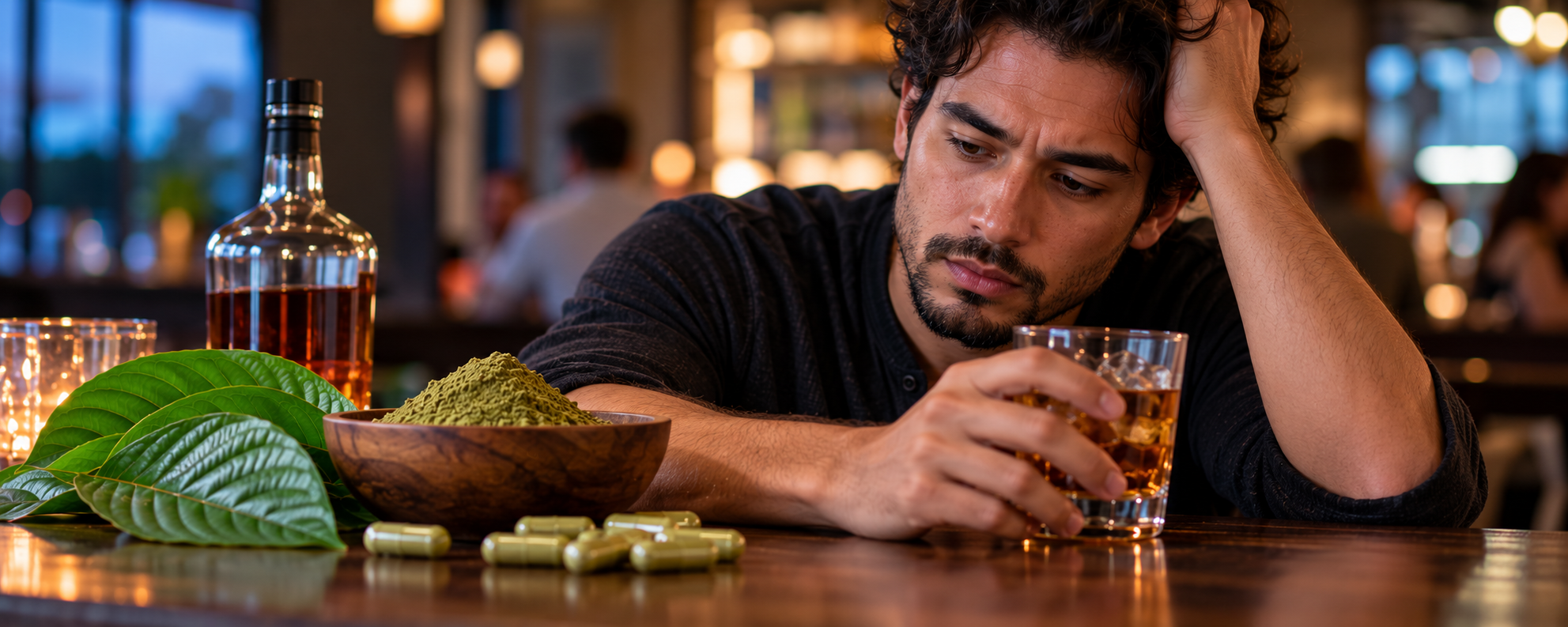
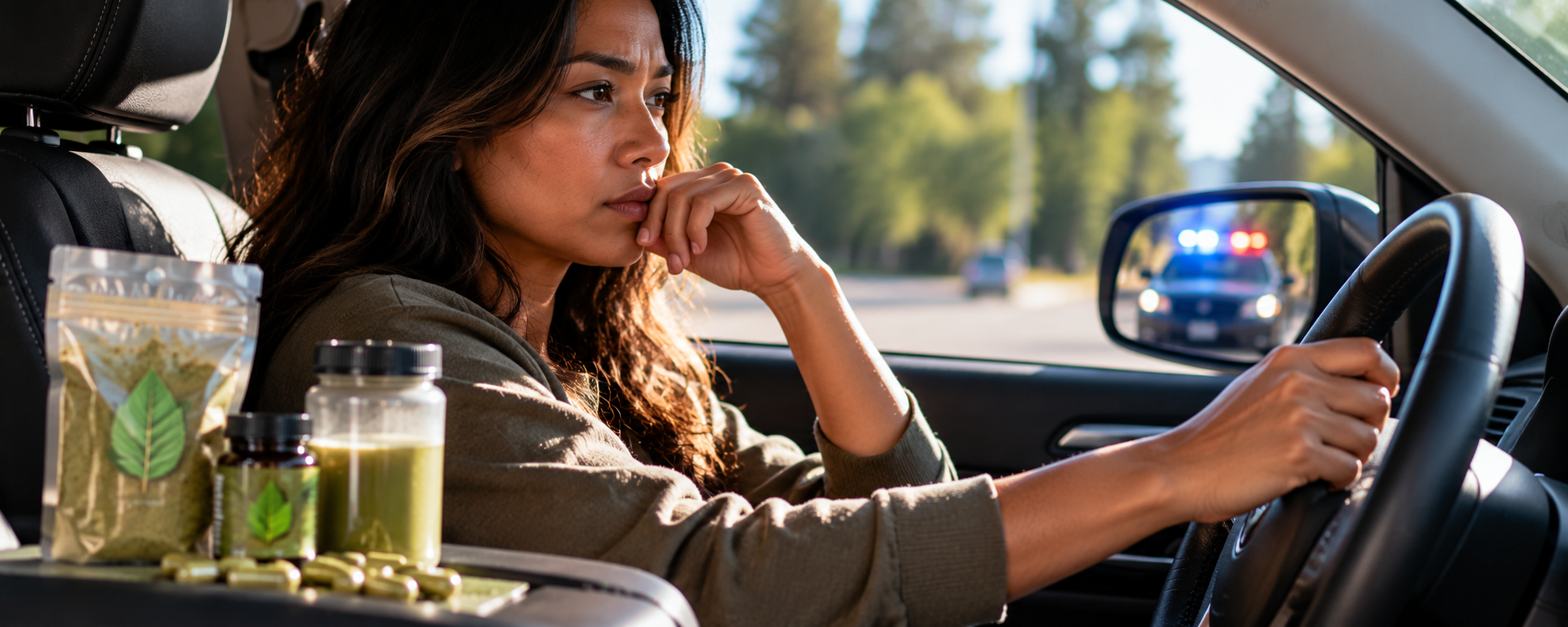
Others use kratom recreationally, sometimes alongside other substances. It’s worth noting that mixing kratom and alcohol, or using kratom before driving, carries real risks. If you’re wondering about the legal side of this, it’s worth understanding the laws around driving after taking kratom before combining it with other activities or substances.
Is Kratom Addictive?
Yes, kratom can be addictive. Kratom interacts with the same mu-opioid receptors as opioids like morphine and oxycodone. The U.S. Food and Drug Administration has warned that kratom carries a “high risk of abuse” and that it “may have similar risks of abuse, addiction, and, in some cases, death” (FDA, 2018). This is an important fact for anyone wondering, “Is kratom an opioid?” Technically, kratom is a plant-based substance rather than a classic opioid, but its two main active compounds, mitragynine and 7-hydroxymitragynine (7-OH), act on opioid receptors, which is why it produces opioid-like effects and withdrawal.
Signs You May Be Dependent on Kratom
You might be developing kratom dependence if you notice:
- Needing more kratom over time to get the same effect
- Feeling anxious, irritable, or physically unwell when you skip a dose
- Using kratom first thing in the morning to feel “normal”
- Spending significant time or money obtaining kratom pills, shots, or vapes
- Failed attempts to cut back or quit
- Continuing to use despite negative effects on work, relationships, or health
Are Some Kratom Products Harder to Stop Than Others?
Not all kratom is created equal, and this matters a great deal when it comes to withdrawal and dependence. Kratom products sold in the U.S. vary widely in strength, purity, and formulation.
Traditional Kratom Leaf
Traditional dried or powdered kratom leaf tends to have a more moderate, naturally occurring balance of alkaloids. This doesn’t mean it’s risk-free, but it’s generally less potent than concentrated products.
Kratom Extracts and Shots
Kratom extracts and kratom shots are processed to concentrate the plant’s active compounds, making them significantly stronger than raw leaf. Higher potency generally means a higher risk of dependence and more intense withdrawal.
7-OH Products
7-OH kratom products are specifically concentrated to boost levels of 7-hydroxymitragynine, the compound most responsible for kratom’s opioid-like effects. The FDA has raised specific concerns about these concentrated 7-OH products, warning that they pose a greater risk of serious adverse effects, including respiratory depression, than traditional kratom leaf. In 2026, federal regulators intensified scrutiny of concentrated 7-OH products, reflecting growing concern about their abuse potential and role in overdose events.
Because kratom products vary so much in strength and labeling accuracy, it’s genuinely difficult to know exactly what you’re taking. This is especially true for kratom sold at gas stations, smoke shops, and online, where product quality and labeling can vary dramatically from brand to brand. This inconsistency is one reason we can’t offer a single, universal taper schedule that works for everyone. Someone using a mild kratom tea will need a very different approach than someone using daily 7-OH shots.
What Are Kratom Withdrawal Symptoms?
Kratom withdrawal symptoms share a lot in common with opioid withdrawal, because kratom works on similar receptors in the brain.
Physical Kratom Withdrawal Symptoms
- Muscle aches and joint pain
- Sweating and chills
- Nausea, vomiting, or diarrhea
- Runny nose and watery eyes
- Fatigue and changes in appetite
- Insomnia or disrupted sleep
Mental and Emotional Kratom Withdrawal Symptoms
- Anxiety and restlessness
- Irritability or mood swings
- Depression or low motivation
- Difficulty concentrating
- Intense cravings for kratom
If you’ve also been mixing kratom and alcohol, withdrawal can be more complicated. Kratom and alcohol withdrawal together can produce overlapping symptoms and added health risks, which is one more reason medical guidance matters. You can learn more about what happens when kratom and alcohol are combined if this applies to you.
How Long Does Kratom Withdrawal Timeline Typically Look Like?
Kratom withdrawal symptoms typically begin within 12 to 24 hours of the last dose, peak around days two through four, and largely subside within a week to ten days. Physical symptoms tend to resolve first, while emotional symptoms like low mood, anxiety, and cravings can linger for several weeks. This timeline shifts based on how much kratom you were taking, which type of product you used, how long you’d been using it, and your individual health history.
Reach Out For Help With Addiction
Are you or a loved one struggling with addiction?
Royal Life Centers at Puget Sound is here to help you recover. Because we care.
How to Get Off Kratom Safely
There’s no single formula for how to quit kratom, because kratom products and usage patterns differ so much from person to person. That said, a thoughtful, step-by-step approach can make the process safer and more successful.
Step 1: Figure Out How Much Kratom You’re Actually Taking
Track your daily kratom use for a few days, including the product type (leaf, extract, shot, vape, or 7-OH), how much you take, and how often. This information is essential for anyone helping you plan next steps.
Step 2: Talk With a Healthcare Professional
Because kratom products vary so widely in strength, a one-size-fits-all taper schedule simply isn’t safe advice. A doctor, addiction medicine specialist, or treatment provider can assess your specific pattern of use and recommend an approach tailored to you. If you’re ready to talk to someone, our admissions process is available 24/7 to answer questions confidentially.
Step 3: Decide Whether Tapering or Stopping Is Appropriate
For some people with lighter, shorter-term use, a gradual reduction may be appropriate. For others, particularly those using high-potency extracts or 7-OH products, a supervised medical setting is often safer. This decision should be made with a professional, not guesswork.
Step 4: Prepare for Withdrawal Symptoms
Plan for rest, hydration, nutritious food, and time away from obligations during the roughest days. Having a support person, whether a friend, family member, or treatment provider, nearby can make a real difference.
Step 5: Plan for Cravings After Withdrawal
Physical withdrawal ending doesn’t mean the work is done. Cravings and emotional ups and downs can continue well after the physical symptoms fade, which is why ongoing support matters.
Can You Quit Kratom Cold Turkey?
Some people do quit kratom cold turkey, particularly if their use has been light and short-term. However, stopping abruptly after heavier or long-term use, especially with extracts or 7-OH products, can bring on intense withdrawal symptoms and increase the risk of relapse. For many guests, a medically guided taper or supervised detox is a safer, more comfortable path than quitting alone.
Do You Need Detox to Get Off Kratom?
Not everyone needs formal medical detox, but many people benefit from it, especially if withdrawal symptoms are severe, if other substances like alcohol are involved, or if previous attempts to quit on your own haven’t worked. Medical detox provides 24/7 monitoring, symptom management, and a safe environment to get through the hardest early days.
Are There Medications for Kratom Withdrawal?
There is currently no FDA-approved medication specifically for kratom withdrawal. However, medical providers can use various medications to manage individual symptoms, such as anti-nausea medication, sleep aids, or blood pressure medication, and in some cases, medications used for opioid withdrawal may be appropriate given kratom’s effects on opioid receptors. This is another reason professional guidance matters more than a generic checklist.
Getting Through Withdrawal Is Only Part of Getting Off Kratom
Detox addresses the physical dependence, but it doesn’t address the reasons someone started using kratom in the first place, whether that’s chronic pain, anxiety, trauma, or an underlying substance use disorder. The Substance Abuse and Mental Health Services Administration (SAMHSA) emphasizes that recovery is not one-size-fits-all; it calls for individualized, whole-person approaches and recognizes that there are multiple pathways to recovery (SAMHSA, 2023). Lasting change usually requires looking at what’s underneath the kratom use, not just stopping the substance itself.
What Treatment for Kratom Addiction Can Look Like
Medical Withdrawal Support
Supervised detox offers round-the-clock care during the physically demanding early days, helping manage symptoms safely and comfortably.
Residential Treatment
Residential rehab provides a structured, substance-free environment where guests can focus fully on recovery, away from daily triggers and stressors.
PHP and IOP
Partial hospitalization and intensive outpatient programs offer high levels of clinical support, including individual and group therapy, while allowing guests to live at home or in sober living.
Outpatient Treatment and Continuing Care
Ongoing outpatient care and continuing support help guests build coping skills, address co-occurring mental health needs, and maintain progress over the long term.
Treatment costs vary depending on the level of care and length of stay. Many insurance plans cover some or all of addiction treatment services; you can verify your insurance coverage confidentially before starting the admissions process.
When Should You Get Help for Kratom Use?
Consider reaching out for professional support if you’ve tried to cut back or quit kratom without success, if withdrawal symptoms feel unmanageable, if you’re mixing kratom with alcohol or other substances, or if kratom use is interfering with your work, relationships, or health. You don’t need to wait for a crisis. If you’re searching for options nearby, an addiction rehab near me search can be a good first step, or you can reach out directly to a treatment team for guidance.
The Bottom Line: You Don’t Have to Wait Until Kratom Use Becomes Severe
Whether you’re using a mild kratom tea or a concentrated 7-OH product, and whether your goal is a gradual taper or a fresh start through medical detox, help is available, and it can be tailored to your specific situation. Reaching out early, before things become severe, often makes the path to recovery smoother and more sustainable. You deserve support built around your needs, not a generic script.
Frequently Asked Questions
How much does kratom withdrawal treatment cost?
Costs vary widely depending on whether you need outpatient support, medical detox, or residential treatment. Many treatment centers accept insurance, which can significantly reduce out-of-pocket costs; verifying your benefits beforehand helps clarify what you’ll pay.
How long does it take to get off kratom completely?
Physical withdrawal typically resolves within one to two weeks, but full recovery, including addressing cravings and underlying causes of use, often takes longer and varies by individual.
Is it dangerous to quit kratom on your own?
For light, short-term users, quitting alone may be manageable, though uncomfortable. For heavier users, especially those using extracts or 7-OH products, or those mixing kratom and alcohol, quitting without medical support carries greater risk and discomfort.
What are the alternatives to quitting kratom cold turkey?
Alternatives include a medically supervised taper, outpatient support with a healthcare provider, or medical detox followed by residential or outpatient treatment, depending on the severity of use.
Is kratom legal, and does that affect treatment options?
Kratom’s legal status varies by state and is not federally regulated as a controlled substance, though the FDA has issued warnings about its risks. Legal status doesn’t affect whether treatment is available. Kratom dependence is treated like other substance use concerns, regardless of the product’s legal standing.
REFERENCES:
- U.S. Food and Drug Administration. FDA and Kratom. U.S. Department of Health and Human Services, www.fda.gov.
- Substance Abuse and Mental Health Services Administration. “Recovery and Recovery Support.” SAMHSA, 2023, www.samhsa.gov.